

Revitalize Your Body with Ayurvedic Therapies
- Ayurway Team

- Dec 15, 2025
- 4 min read
Ayurveda: Your Path to Holistic Wellness
Ayurveda, the ancient Indian system of medicine, offers a holistic approach to health and wellness that has been practiced for thousands of years. With its emphasis on balance, natural remedies, and personalized care, Ayurvedic therapies can help us revitalize our bodies and minds. In this blog post, we will explore various Ayurvedic therapies, their benefits, and how we can incorporate them into our daily routines.
Understanding Ayurveda
Ayurveda translates to "the science of life" in Sanskrit. It focuses on the balance between the body, mind, and spirit, aiming to promote overall well-being. The foundation of Ayurveda is based on three doshas: Vata, Pitta, and Kapha. Each dosha represents different elements and qualities in the body.
Vata: Represents air and space. It governs movement and communication.
Pitta: Represents fire and water. It controls digestion and metabolism.
Kapha: Represents earth and water. It provides structure and stability.
Understanding our dominant dosha can help us choose the right Ayurvedic therapies to restore balance and enhance our health.
Benefits of Ayurvedic Therapies
Ayurvedic therapies offer numerous benefits, including:
Holistic Healing: Ayurveda treats the root cause of ailments rather than just the symptoms.
Personalized Care: Treatments are tailored to individual needs based on dosha types.
Natural Remedies: Emphasis on herbs, oils, and natural treatments minimizes side effects.
Stress Reduction: Many Ayurvedic practices promote relaxation and mental clarity.
Improved Digestion: Ayurvedic diets and therapies enhance digestive health.
Popular Ayurvedic Therapies
1. Abhyanga (Ayurvedic Massage)
Abhyanga is a traditional Ayurvedic massage that uses warm herbal oils tailored to our dosha. This therapy promotes relaxation, improves circulation, and nourishes the skin. Regular Abhyanga can help reduce stress and enhance overall vitality.
How to Practice Abhyanga:
Warm the oil slightly.
Apply it to your body in long strokes, starting from the extremities and moving towards the heart.
Focus on areas that feel tense or sore.
Allow the oil to absorb for at least 30 minutes before showering.
2. Panchakarma (Detoxification)
Panchakarma is a comprehensive detoxification process that involves five therapeutic actions. It aims to cleanse the body of toxins and restore balance. This therapy is typically performed under the guidance of a qualified Ayurvedic practitioner.
The Five Actions of Panchakarma:
Vamana: Therapeutic vomiting to eliminate excess mucus.
Virechana: Purgation therapy to cleanse the intestines.
Basti: Enema therapy to detoxify the colon.
Nasya: Nasal administration of herbal oils to clear sinuses.
Raktamokshana: Bloodletting to remove impurities.
3. Shirodhara (Oil Pouring Therapy)
Shirodhara involves gently pouring warm herbal oil over the forehead. This therapy calms the mind, reduces anxiety, and enhances mental clarity. It is particularly beneficial for those suffering from stress-related disorders.
How to Experience Shirodhara:
Lie down comfortably with your head slightly elevated.
A steady stream of warm oil is poured onto your forehead for about 30-45 minutes.
Relax and allow the oil to work its magic.
4. Herbal Remedies
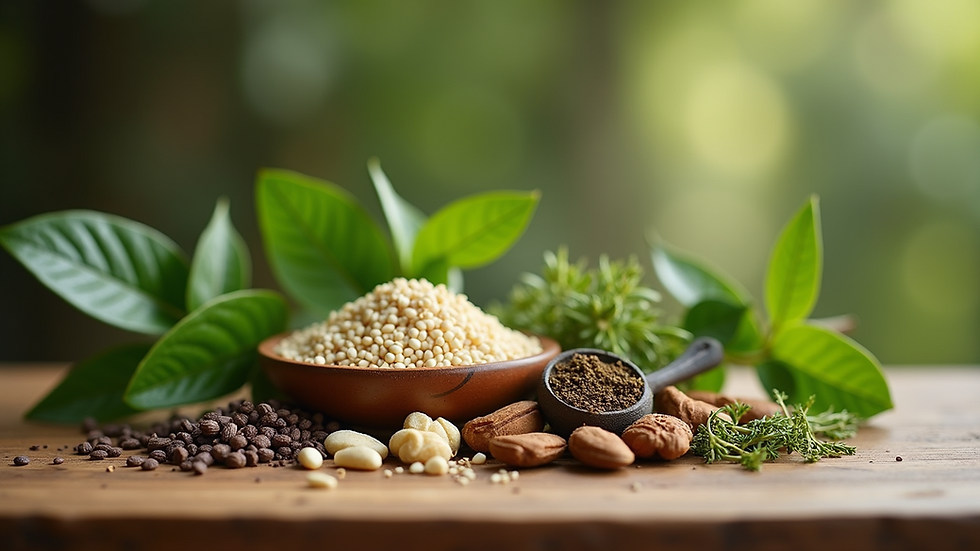
Ayurveda utilizes a wide range of herbs and spices for healing. Some popular Ayurvedic herbs include:
Turmeric: Known for its anti-inflammatory properties.
Ashwagandha: An adaptogen that helps the body cope with stress.
Triphala: A blend of three fruits that supports digestion and detoxification.
Brahmi: Enhances cognitive function and reduces anxiety.
Incorporating these herbs into our diet or taking them as supplements can support our overall health.
5. Dietary Practices
Ayurveda emphasizes the importance of diet in maintaining health. A balanced diet tailored to our dosha can enhance digestion and overall well-being. Here are some dietary tips:
Vata: Favor warm, moist, and oily foods. Include sweet, sour, and salty tastes.
Pitta: Opt for cool, refreshing foods. Favor bitter, sweet, and astringent tastes.
Kapha: Choose light, dry, and warm foods. Favor spicy, bitter, and astringent tastes.
Incorporating Ayurvedic Practices into Our Daily Life
Morning Routine
Let’s start our day with a morning routine that aligns with Ayurvedic principles:
Tongue Scraping: Remove toxins from the tongue to improve oral health.
Oil Pulling: Swish coconut or sesame oil in our mouths for 10-15 minutes to detoxify.
Warm Water with Lemon: Drink warm water with lemon to kickstart digestion.
Mindfulness and Meditation
Incorporating mindfulness practices into our daily routine can be transformative. Meditation, yoga, and deep breathing exercises help reduce stress and promote mental clarity. Let’s aim for at least 10-15 minutes of mindfulness practice each day.
Regular Exercise
Engaging in regular physical activity that suits our dosha is essential. For example:
Vata: Gentle yoga or walking.
Pitta: Moderate exercise like swimming or cycling.
Kapha: Vigorous workouts such as running or dancing.
Sleep Hygiene
Prioritizing quality sleep is crucial. Establishing a calming bedtime routine can make a significant difference. Let’s aim for 7-9 hours of sleep each night and create a sleep-friendly environment by minimizing noise and light.
Embracing the Journey of Ayurveda
Ayurvedic therapies offer a holistic approach to revitalizing our bodies and minds. By understanding our dosha and incorporating these practices into our daily routines, we can achieve balance and enhance our overall well-being. Whether through massage, detoxification, or dietary changes, Ayurveda provides a wealth of knowledge to support our health journey.
Let’s take the first step towards revitalization today by exploring Ayurvedic therapies that resonate with us. Embrace the wisdom of Ayurveda and discover a path to a healthier, more balanced life.
For more information on how to integrate these practices into our lives, we can visit Ayurway.


Comments